
JUMO Sensors for Dissolved Oxygen in Water Treatment
Accurate measurement of dissolved oxygen is a key element of modern water treatment. Whether in drinking water purification or wastewater treatment, JUMO offers high-performance sensors and electrodes that ensure maximum measurement reliability and operational safety.
Optimal Oxygen Monitoring for Safe Water Quality
In water treatment, dissolved oxygen measurement is essential for:
• Controlling aeration systems in activated sludge tanks
• Monitoring biological degradation processes
• Preventing anaerobic conditions
• Improving the energy efficiency of aeration systems
Tailored Technology – Electrochemical or Optical
Electrochemical Sensors
These sensors are based on the Clark principle and deliver stable readings under consistent operating conditions. They are especially suited for applications involving regular maintenance and well-defined process parameters.
Optical Sensors (e.g., JUMO digiLine O-DO)
For low-maintenance, long-term monitoring, optical sensors utilize luminescence-based oxygen measurement. This technology provides high accuracy, even in fluctuating process conditions or demanding environments.
Typical Applications
- Municipal and industrial wastewater treatment plants
• Drinking water treatment facilities
• Process water monitoring in industrial operations
• Water treatment in power plants and process engineering systems
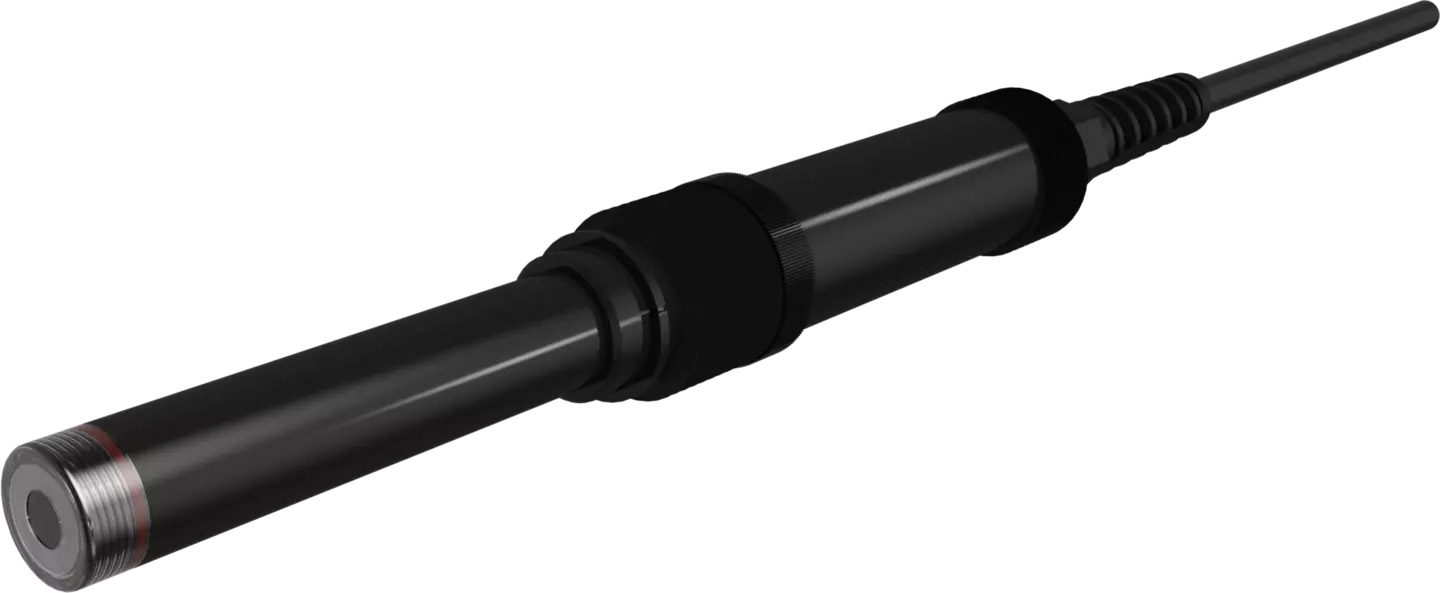
The JUMO digiLine O-DO S10 is a modern, intelligent sensor for measuring dissolved oxygen. The measurement is based on the optical principle of luminescence quenching according to ASTM D888-05. This offers users numerous advantages: No electrolyte replacement required No polarization voltage necessary No minimum flow required Longer calibration intervals thanks to low drift behavior Long-term stable and reliable measurement results Temperature compensation is performed automatically, so that the measured value is always output temperature-compensated. In addition, the sensor can also correct the measured value with regard to air pressure and salinity (using external sensors). The JUMO digiLine O-DO S10 has two interfaces for transferring the measured values to higher-level systems or automation solutions: digitally via an RS485 interface with Modbus RTU protocol or analogically via a 4...20 mA two-wire signal. Configuration, parameterization, and calibration data are stored in the sensor's electronics. Sensor-specific information and measuring point identifiers can also be stored there and read out as needed. In addition, the sensor offers a logbook that documents the last ten successful calibrations, providing an overview of the calibration history. To support operational safety, the sensor is equipped with a self-diagnostic function that issues warnings or error messages in the event of malfunctions. The sensor features a slim, robust design. The sensor cap can be easily replaced when worn. The sensor body is made of durable PVC and is therefore suitable for applications in fresh and salt water. A permanently attached cable with a 5-pin M12 connector ensures quick and easy connection to measuring or automation devices. The sensor offers two connection options for installation: an Rp 1 thread directly on the sensor shaft or, alternatively, an optionally available mounting kit with a G 1 thread. Frequently Asked Questions What can I use the oxygen sensor for? To display and measure dissolved oxygen in water or liquids. How accurately does the device measure oxygen? It uses state-of-the-art optical technology to provide stable, long-term reliable readings. The measurement is based on the optical principle of luminescence quenching in accordance with ASTM D888-05. Can I transmit the readings to my control system? Yes, via a digital RS485 interface or as an analogue 4–20 mA signal. Does the sensor display the readings itself? No. The sensor provides the readings, which are displayed, for example, on a meter or PC. Is the sensor robust and suitable for use in water? Yes, it has a robust PVC housing and is suitable for fresh and salt water. Why is dissolved oxygen important in the first place? It indicates water quality, e.g. in fish farming, sewage treatment plants or industrial processes.
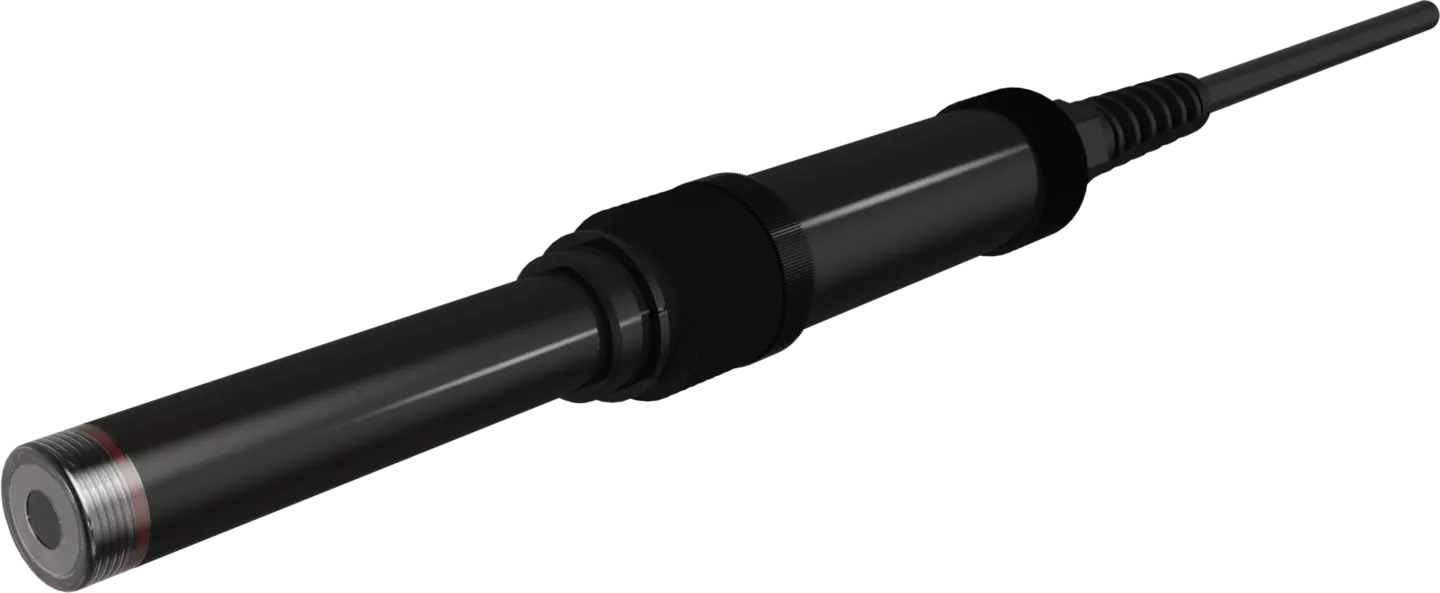
The JUMO digiLine O-DO S10 is a modern, intelligent sensor for measuring dissolved oxygen. The measurement is based on the optical principle of luminescence quenching according to ASTM D888-05. This offers users numerous advantages: No electrolyte replacement required No polarization voltage necessary No minimum flow required Longer calibration intervals thanks to low drift behavior Long-term stable and reliable measurement results Temperature compensation is performed automatically, so that the measured value is always output temperature-compensated. In addition, the sensor can also correct the measured value with regard to air pressure and salinity (using external sensors). The JUMO digiLine O-DO S10 has two interfaces for transferring the measured values to higher-level systems or automation solutions: digitally via an RS485 interface with Modbus RTU protocol or analogically via a 4...20 mA two-wire signal. Configuration, parameterization, and calibration data are stored in the sensor's electronics. Sensor-specific information and measuring point identifiers can also be stored there and read out as needed. In addition, the sensor offers a logbook that documents the last ten successful calibrations, providing an overview of the calibration history. To support operational safety, the sensor is equipped with a self-diagnostic function that issues warnings or error messages in the event of malfunctions. The sensor features a slim, robust design. The sensor cap can be easily replaced when worn. The sensor body is made of durable PVC and is therefore suitable for applications in fresh and salt water. A permanently attached cable with a 5-pin M12 connector ensures quick and easy connection to measuring or automation devices. The sensor offers two connection options for installation: an Rp 1 thread directly on the sensor shaft or, alternatively, an optionally available mounting kit with a G 1 thread. Frequently Asked Questions What can I use the oxygen sensor for? To display and measure dissolved oxygen in water or liquids. How accurately does the device measure oxygen? It uses state-of-the-art optical technology to provide stable, long-term reliable readings. The measurement is based on the optical principle of luminescence quenching in accordance with ASTM D888-05. Can I transmit the readings to my control system? Yes, via a digital RS485 interface or as an analogue 4–20 mA signal. Does the sensor display the readings itself? No. The sensor provides the readings, which are displayed, for example, on a meter or PC. Is the sensor robust and suitable for use in water? Yes, it has a robust PVC housing and is suitable for fresh and salt water. Why is dissolved oxygen important in the first place? It indicates water quality, e.g. in fish farming, sewage treatment plants or industrial processes.